





In one of the most closely watched gig-economy cases of the year, Uber Eats has agreed to pay $14,991,841.49 to resolve claims from the Seattle Office of Labor Standards (OLS). The class action lawsuit involves alleged violations of two local labor ordinances primarily designed to protect app-based workers:
- The Independent Contractor Protections (ICP) Ordinance, and
- The App-Based Worker Minimum Payment (ABWMP) Ordinance.
While Uber Eats has denied wrongdoing, the company agreed to the settlement to resolve the dispute and move forward.
The agreement is significant, not only for the 16,120 delivery workers who potentially are eligible for payments, but for what it signals about the growing spotlight on gig-worker protections throughout the U.S.
What the Lawsuit Is About
The OLS investigation focused on two key issues affecting Seattle Uber Eats couriers.
1. Alleged Violations of the Independent Contractor Protections Ordinance
According to the OLS, Uber Eats allegedly did not provide delivery workers with the required information on how certain pay features worked. The ICP Ordinance requires companies working with independent contractors to clearly disclose, among other items:
- pay rates
- how workers are compensated
- any deductions, fees, or variables that affect pay
OLS investigators reportedly found that some workers did not receive the necessary explanations.
2. Alleged Violations of the App-Based Worker Minimum Payment Ordinance
The ABWMP Ordinance — one of the strongest of its kind in the country — sets minimum compensation requirements for gig workers, even when orders are canceled.
The OLS alleged that Uber Eats did not always meet the minimum compensation required for canceled orders, leaving some workers underpaid relative to Seattle’s mandated minimum wages.
Uber Eats has publicly stated that it disagrees with the findings but entered the settlement to resolve the dispute without further legal action.
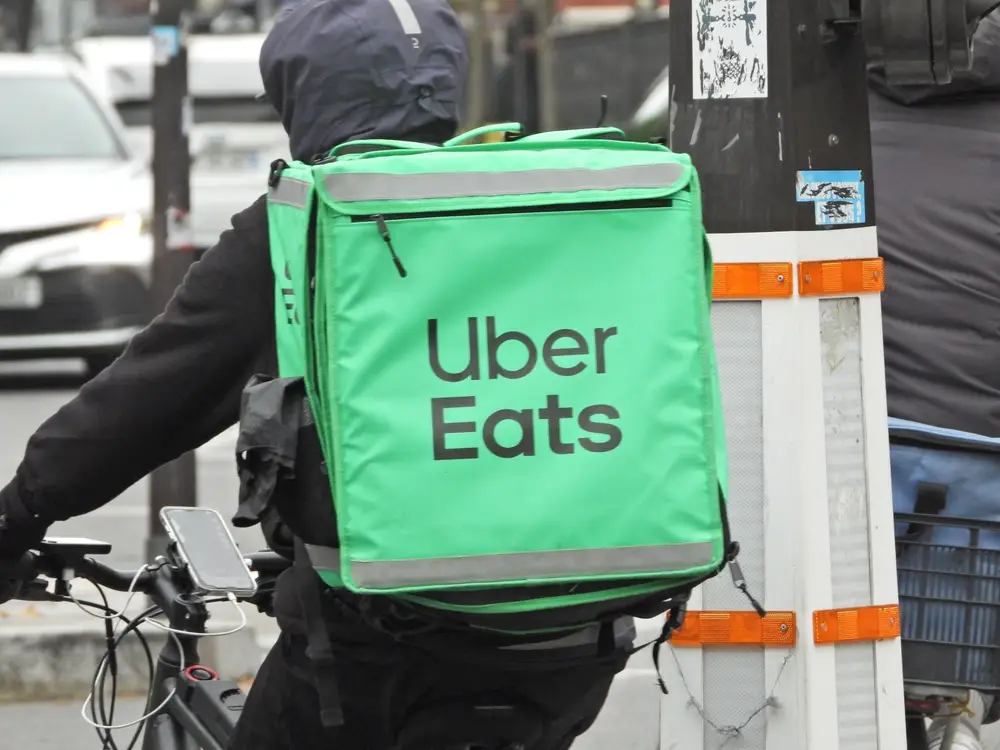
Who Is Included in the Settlement?
A total of 16,120 Uber Eats delivery workers are covered under the settlement. The timeline is split between two categories based on the ordinances involved:
Independent Contractor Protections Claims
- Deliveries made between September 1, 2022, and January 12, 2024
App-Based Worker Minimum Payment Claims
- Deliveries made between January 13, 2024, and May 31, 2025
Workers did not need to file claims — Uber handled payments automatically.
How Payments Were Calculated
Compensation amounts vary by worker and are based on:
- the number of qualifying deliveries completed, and
- the amount allegedly owed under Seattle's minimum pay requirements.
Payments were distributed using:
- direct deposit or other electronic payment already on file with Uber, or
- paper checks mailed to workers’ last known address.
Important: Checks needed to be cashed by November 27, 2025.
If a worker did not receive a payment or believes their contact information was outdated, they may need to update their profile with Uber or contact the Seattle Office of Labor Standards for help.
Why This Case Matters for Gig Workers
Seattle has become one of the most aggressive cities in the U.S. in enforcing gig-worker protections. The Uber Eats OLS settlement is one of the largest involving app-based delivery workers under local labor ordinances.
The case could:
- influence how other cities write and enforce pay-protection laws,
- shape future disputes involving gig-economy classifications, and
- amplify conversations around whether app-based workers should be treated as employees or independent contractors.
For many labor-rights advocates, the settlement represents progress in ensuring transparency and fair compensation in an industry known for inconsistent pay structures.
As other cities study Seattle’s regulatory framework, similar disputes could emerge nationwide, potentially shaping the future landscape of gig-worker protections.
Additional Context About the Settlement Terms
The settlement outlines how the nearly $15 million fund is allocated. Of the total, $14,824,528.22 was designated for payments to the 16,120 eligible app-based workers, while $167,313.27 reflects amounts Uber Eats previously paid to resolve related wage issues. Another $33,680.26 was directed to the City of Seattle in alleged fines. These figures illustrate both the scale of the case and the city’s focus on enforcing its contractor and minimum-pay rules.
Under the ABWMP Ordinance, in relevant part workers must be paid a minimum for certain canceled orders—generally $5.20 per offer, or more when per-mile or per-minute rates exceed that amount. OLS investigators claimed that some payments reportedly fell below these mandated minimums, contributing to the underpayment amounts calculated for each worker.
Workers did not need to submit a claim form. The settlement administrator, CPT Group Inc., used updated contact and payment information from Uber to send funds via mailed checks or electronic payment. If a payment cannot be delivered or remains unclaimed, the administrator will make additional attempts to reach the worker before transferring unclaimed amounts to Washington State’s Unclaimed Property Division.
Frequently Asked Questions (FAQ)
No. Eligible workers received payments automatically through the contact and payment information Uber has on file.
If you completed Uber Eats deliveries in Seattle between the qualifying dates
- Sept 1, 2022 – Jan 12, 2024 (ICP claims), or
- Jan 13, 2024 – May 31, 2025 (ABWMP claims)
you were likely included.
Workers should verify that their payment information is up to date in the Uber app. If needed, they may contact OLS for support.
No. Uber Eats denied the allegations but agreed to the settlement to resolve the claims.
As of now, no additional settlements have been announced. However, Seattle continues to enforce its labor ordinances, and other investigations into gig-worker pay could emerge.



Add Comment