


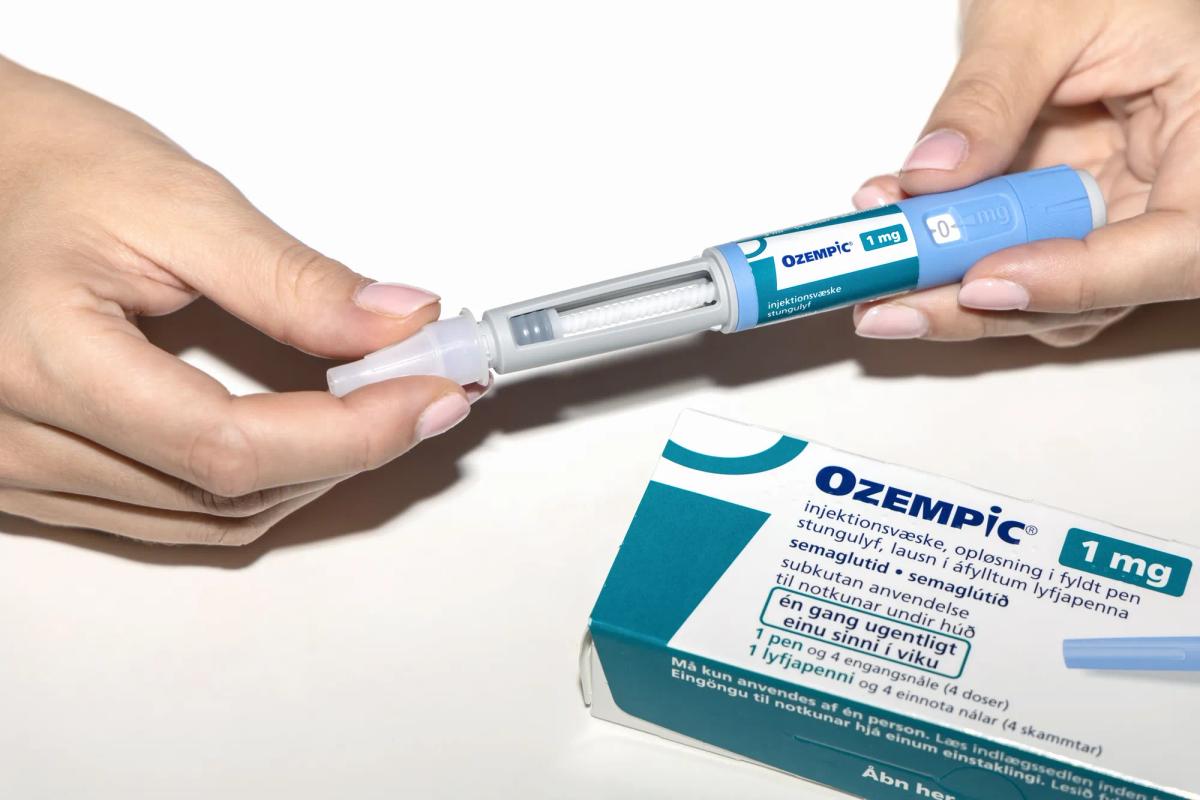


Ozempic was once positioned as a breakthrough medication, a drug capable of helping patients manage type 2 diabetes while offering significant weight-loss benefits. Prescribed to millions and heavily discussed across social media and mainstream news, Ozempic (semaglutide) quickly became one of the most recognizable pharmaceutical brands in the world.
But as its use expanded, so did reports of severe and sometimes life-altering side effects.
Today, a growing number of patients allege that Ozempic caused serious gastrointestinal injuries, including gastroparesis, intestinal blockage, and pulmonary aspiration — complications they say were never adequately disclosed. Those allegations are now at the center of expanding litigation against the drug’s manufacturer, Novo Nordisk.

What Is Ozempic — And Why Was It Prescribed So Widely?
Ozempic is a GLP-1 receptor agonist approved by the U.S. Food and Drug Administration (FDA) to help regulate blood sugar in adults with type 2 diabetes. It works by mimicking a naturally occurring hormone that slows digestion, reduces appetite, and helps control insulin release.
While approved for diabetes management, Ozempic has also been widely prescribed off-label for weight loss, a trend that surged as similar GLP-1 drugs gained cultural momentum.
However, the same mechanism that slows digestion has raised serious safety concerns.
Reported Long-Term Side Effects Linked to Ozempic
Lawsuits and adverse event reports allege that Ozempic can disrupt normal gastrointestinal function to a dangerous degree.
Commonly Reported Injuries Include:
- Gastroparesis (stomach paralysis): This condition slows or stops the movement of food from the stomach to the small intestine, causing symptoms such as nausea, vomiting, bloating, and abdominal pain.
- Pulmonary Aspiration: Occurs when food, liquid, or other material enters the lungs from the throat or stomach, rather than following the normal path into the stomach.
- Intestinal blockage/obstruction: Cases of ileus, where the intestines fail to move food properly, leading to severe digestive distress.
Medical experts note that while slowed digestion is a known effect of GLP-1 drugs, prolonged or irreversible paralysis of the stomach raises red flags about long-term safety.
Why Patients Are Filing Ozempic Lawsuits
At the heart of the litigation is a failure-to-warn argument.
Plaintiffs allege that Novo Nordisk knew or should have known that Ozempic could cause severe digestive injuries but did not adequately warn patients or healthcare providers. Many say they would not have taken the drug or would have discontinued use earlier, had they understood the risks.
Lawsuits also claim that marketing downplayed potential complications while emphasizing weight loss benefits, creating an imbalance between promotion and patient safety.
Timeline and Legal Actions
The concerns regarding Ozempic's safety began gaining traction as more patients reported severe side effects. This led to multiple Ozempic lawsuits being filed against Novo Nordisk, claiming that the company failed to provide adequate warnings about the potential risks associated with Ozempic.
- 2021: Initial reports and complaints about serious side effects from Ozempic began to surface.
- 2022: Research linked Ozempic to a higher risk of gallbladder diseases, sparking further legal actions.
- 2023: A significant Ozempic lawsuit was filed by Jaclyn Bjorklund, highlighting severe vomiting and other side effects. This case became a focal point for consolidating other similar lawsuits.
- 2024: The U.S. Judicial Panel on Multidistrict Litigation combined 55 lawsuits into a federal multidistrict litigation (MDL) in the Eastern District of Pennsylvania, under Judge Gene E.K. Pratter.
Who May Qualify for an Ozempic Lawsuit?
Individuals who have used Ozempic and developed serious health conditions may qualify for the ongoing Ozempic lawsuit including one of the following Ozempic long-term side effects:
- Persistent vomiting for +4 weeks (diagnosis must be while taking the product OR within 60 days of stopping and must have experienced vomiting 1 month or more)
- Gastric Injury (diagnosis must be while taking product OR within 60 days of stopping)
- A gastric injury is any injury related to the gastrointestinal tract
- Ileus
- Gastroparesis/ stomach paralysis
- Pulmonary Aspiration (associated with anesthesia/surgery)
- Deep Vein Thrombosis (DVT)
Be sure to contact legal counsel to determine your eligibility and initiate the claim process. Various factors impact eligibility and all cases are unique.
What This Litigation Means for Patients
Ozempic lawsuits are not just about compensation. For many plaintiffs, they represent a demand for transparency and a broader reckoning over how rapidly new medications are pushed to market.
If courts find that warnings were insufficient, the outcome could reshape labeling standards for GLP-1 drugs and influence how future weight-loss medications are introduced.
If you or a loved one have experienced any of these health problems after using Ozempic, you may be entitled to compensation. Get in touch with us now and find out how you can seek justice for your case. We can connect you with an attorney in our network so you can explore your options and receive an Ozempic lawsuit update.



Add Comment