


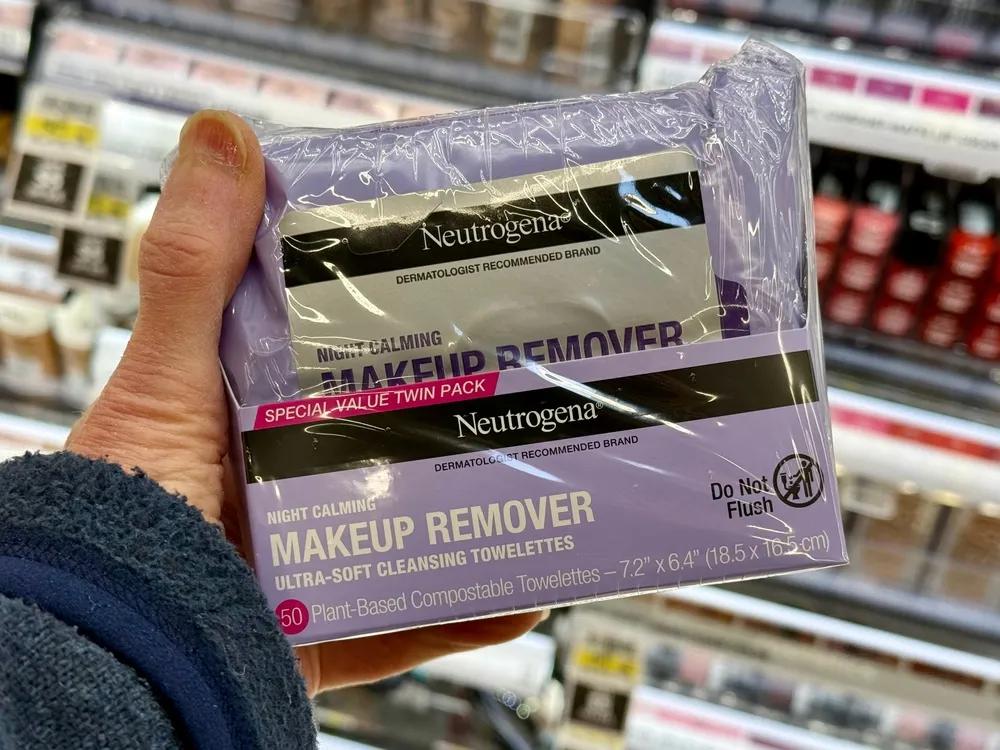


Consumers today are more conscious than ever about what goes into their skincare products. Words like natural, plant-based, and eco-friendly have become powerful marketing tools, often influencing whether a shopper chooses one product over another. But what happens when those claims don’t match the ingredients inside the package?
That concern is at the center of a new Neutrogena towelettes class action lawsuit, where Johnson & Johnson Consumer Inc. is accused of misleading shoppers with claims that two of its popular makeup remover wipes were “plant-based.”
The lawsuit, filed by California resident Chelsea Garland, alleges that Neutrogena’s Ultra Soft Cleansing Towelettes and Hydro Boost Cleansing Towelettes were marketed as plant-derived despite containing mostly synthetic ingredients. Garland says this marketing influenced consumers, including herself, to purchase the wipes under false assumptions about their natural content.
What the Lawsuit Claims
According to the 29-page complaint, the controversy centers on Neutrogena’s marketing of its Ultra Soft Cleansing Towelettes and Hydro Boost Cleansing Towelettes as both “plant-based” and “compostable.” The lawsuit argues that these claims portrayed a more natural and environmentally friendly product than what consumers were actually receiving.
The complaint points out that 13 of the 15 ingredients in the wipes are allegedly synthetic and not plant-based, despite being marketed as predominantly derived from plants. These ingredients, which include decyl isostearate, dimethicone, isohexadecane, phenoxyethanol, sucrose cocoate, chlorphenesin, polysorbate 20, hexylene glycol, and several others, make up the “2nd through 13th most prominent ingredients by weight,” according to the filing.
In other words, the bulk of the formula is alleged to actually be synthetic rather than botanical.
The lawsuit claims this discrepancy amounts to greenwashing, arguing that Johnson & Johnson profited from consumers who actively seek out products labeled as natural, clean, plant-based, or eco-conscious. The filing even alleges that instead of formulating truly plant-based wipes, the company “repackaged a principally synthetic product and deceptively marketed it as ‘plant-based,’ thereby misleading reasonable consumers and violating the law.”
The “compostable” claim is also under scrutiny. The lawsuit argues that the packaging suggested an environmentally friendly wipe that breaks down naturally, but the plaintiffs contend that consumers are misled into believing the product is safer for the environment than its ingredients actually allow.
The proposed class would include anyone who purchased the wipes during the applicable statute of limitations, covering consumers nationwide.
Who’s Involved and What They Want
The case is filed against Johnson & Johnson Consumer Inc., the owner and distributor of Neutrogena skincare products. Garland aims to represent a nationwide class of consumers who purchased the allegedly mislabeled wipes, along with a dedicated California subclass for state-based claims.
Garland describes her own experience in the lawsuit: She says she purchased the wipes specifically because she believed “plant-based” meant the ingredients would be more natural and better for her skin.
Like many consumers, she claims she relied on the front-label marketing rather than digging into each ingredient. Only later did she discover that most of the formula was allegedly synthetic. Through the lawsuit, she argues that consumers like herself deserve accurate labeling and transparency about what they are buying.
At the time of writing, Johnson & Johnson has not publicly admitted wrongdoing, and the case remains ongoing.
Why This Case Matters Beyond Neutrogena
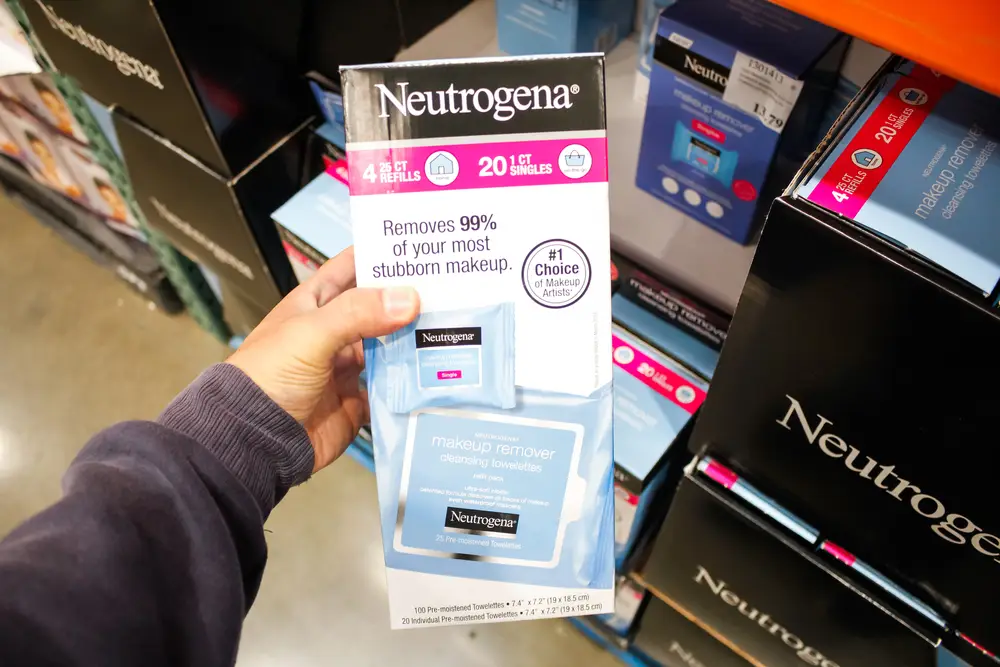
The Neutrogena false advertising lawsuit taps into a much broader conversation about transparency in the beauty industry. As demand for natural and plant-derived skincare grows, so do concerns about how brands use language like “plant-based” or “eco-friendly” to influence purchasing decisions. The outcomes of cases like this often have far-reaching effects that extend beyond a single product line.
Here’s why this lawsuit is significant:
- It challenges vague marketing language. Some environmental terms like “plant-based” may not have standardized legal definitions, making them easy to stretch or misuse.
- It raises the bar for ingredient transparency. Consumers shouldn’t have to decode chemical names to understand whether a product aligns with its branding.
- It highlights the rise of greenwashing concerns. As sustainability becomes a selling point, more companies may face scrutiny for exaggerated environmental claims.
- It could influence future regulations. High-profile cases often push lawmakers or regulators to tighten labeling standards in beauty and personal care.
- It signals growing consumer willingness to take legal action. Customers are becoming more proactive in holding brands accountable for misleading claims.
Ultimately, this lawsuit underscores a growing demand for honesty in marketing and could reshape how beauty companies communicate “natural” claims in the future.
Can You File a Claim in the Neutrogena “Plant-Based” Wipes Lawsuit?
Since the class has not yet been certified, consumers cannot submit claims at this time. However, the lawsuit aims to cover anyone who purchased the towelettes during the relevant statutory period, meaning millions of potential buyers may eventually qualify.
If the court certifies the class, eligible claimants would include both:
- Nationwide purchasers of the “plant-based” or “compostable” Neutrogena Makeup Remover Towelettes
- California purchasers, who may receive additional protections due to state-specific consumer laws
Once certification or a settlement occurs, the court typically issues a public notice (often via email, mail, or online claims portals) explaining how to participate. In many similar class actions, receipts are not required. Consumers may be able to verify purchases through sworn statements or approximate dates.
If you bought these wipes and want to stay informed, keeping an eye on official updates or consumer alerts from class-action trackers can help ensure you don’t miss the claims window.
Frequently Asked Questions (FAQ)
The lawsuit specifically names:
- Neutrogena Makeup Remover Ultra Soft Cleansing Towelettes
- Neutrogena Hydro Boost Cleansing Towelettes
Both were advertised as “plant-based.”
It alleges that the company falsely advertised the wipes as plant-based, despite most of the ingredients being synthetic. The plaintiff argues that this misled consumers and violated California consumer protection laws.
Anyone in the U.S. (especially California) who purchased these Neutrogena wipes during the applicable statutory period may qualify. Final eligibility will depend on how the court defines the class.
As of now, no resolution has been reached, and the lawsuit is still ongoing. J&J will have the opportunity to respond in court.
Possible outcomes include:
- refunds
- partial reimbursements
- changes to Neutrogena’s labeling or marketing practices
- damages awarded to class members
Actual compensation would depend on the court’s ruling or any settlement agreement.


Add Comment