


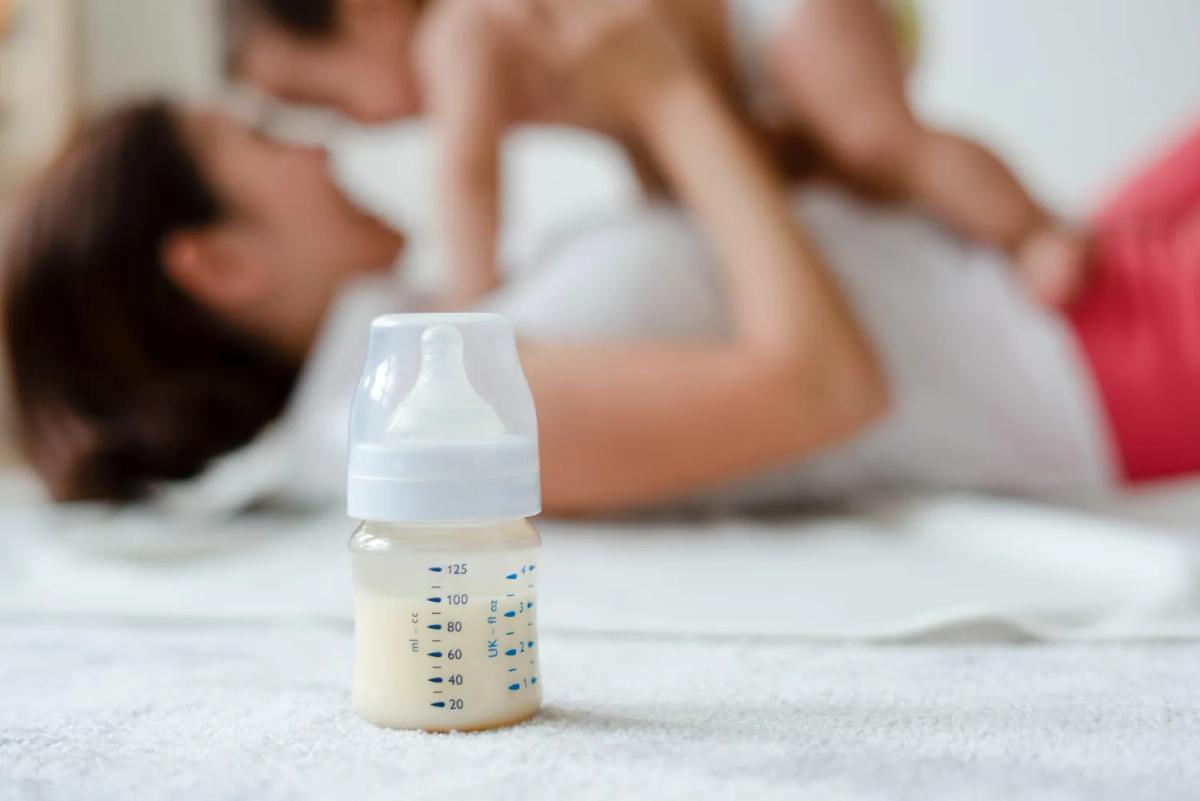


As a parent, few responsibilities feel heavier than protecting your child’s health. For families with premature infants, that responsibility is often paired with difficult medical decisions made under intense pressure.
But what if the very formula used to nourish a fragile newborn carried risks that were never fully explained?
That question is now at the center of a growing legal and medical reckoning, as mounting research and litigation examine the connection between cow’s milk–based baby formula and necrotizing enterocolitis (NEC), a devastating condition that disproportionately affects premature infants.
Understanding the Devastating Impact of NEC
Necrotizing enterocolitis is a serious gastrointestinal disease that primarily impacts premature and low-birth-weight infants. The condition occurs when intestinal tissue becomes inflamed and begins to die, potentially allowing bacteria to leak into the bloodstream.
Common symptoms can include:
- Abdominal distension
- Feeding intolerance
- Bloody stools
- Lethargy
In severe cases, NEC can lead to intestinal perforation, sepsis, long-term digestive complications, or death. Even infants who survive NEC often face lifelong medical challenges, including short bowel syndrome, developmental delays, and repeated surgeries.
For families, the emotional and financial toll can be overwhelming.
Is Baby Formula Linked to Necrotizing Enterocolitis?
While NEC is a complex condition with multiple contributing factors, a growing body of medical research has consistently identified cow’s milk–based infant formula as a significant risk factor, particularly for premature babies.
Multiple studies have found that premature infants fed formula face higher rates of NEC compared to those fed human breast milk. A widely cited Cochrane Review concluded that feeding preterm infants formula rather than breast milk significantly increases the risk of developing NEC.
These findings have led neonatologists and pediatric researchers to raise concerns about the routine use of cow’s milk–based formulas in neonatal intensive care units (NICUs), especially when safer alternatives may be available.
Why Parents Are Turning to the Courts
As awareness of NEC risks grows, families across the United States have filed lawsuits against infant formula manufacturers, alleging that critical safety information was not adequately disclosed.
The lawsuits generally argue that:
- Manufacturers failed to warn parents and healthcare providers about the increased NEC risk associated with cow’s milk–based formula
- Companies continued aggressive marketing despite decades of medical research
- Parents were denied the opportunity to make fully informed feeding decisions
Many families say they would have chosen alternative feeding options, such as donor breast milk, had they been properly warned.

Baby Formula Lawsuits and Industry Ripple Effects
The NEC litigation has sent shockwaves through the baby formula industry.
While manufacturers maintain that their products are safe when used as directed, the lawsuits have intensified scrutiny of regulatory oversight, hospital feeding protocols, and labeling practices.
Key questions now facing policymakers and healthcare systems include:
- Should warning labels for premature infants be clearer and more explicit?
- Should hospitals prioritize donor breast milk programs when available?
- Does the current regulatory framework adequately protect vulnerable newborns?
These cases have also highlighted the high cost of infant formula, which can range from $1,200 to $3,000 per year, raising broader concerns about access, affordability, and safety.
Who May Have a Potential NEC Baby Formula Claim?
Families may have a potential claim if:
- Their child was born prematurely
- The infant was fed cow’s milk–based formula in a hospital or NICU setting
- The child was diagnosed with necrotizing enterocolitis
- The diagnosis occurred after January 1, 2022
Each case is unique, and eligibility depends on medical records, feeding history, and timing.
What This Means for Parents Moving Forward
NEC lawsuits are about more than compensation. For many families, they represent a push for transparency, accountability, and safer standards of care for premature infants.
While no legal action can undo the harm caused by NEC, litigation may help families secure resources for long-term medical care and encourage changes that prevent future tragedies.
Do you have a potential claim against baby formula manufacturers?
OnlyClassActions (OCA) can start the process to see if you qualify for the ongoing NEC litigation and help you understand your rights and options.
Join the NEC Lawsuit today, and let’s work toward a future where no family has to endure the devastation of NEC.


Add Comment