


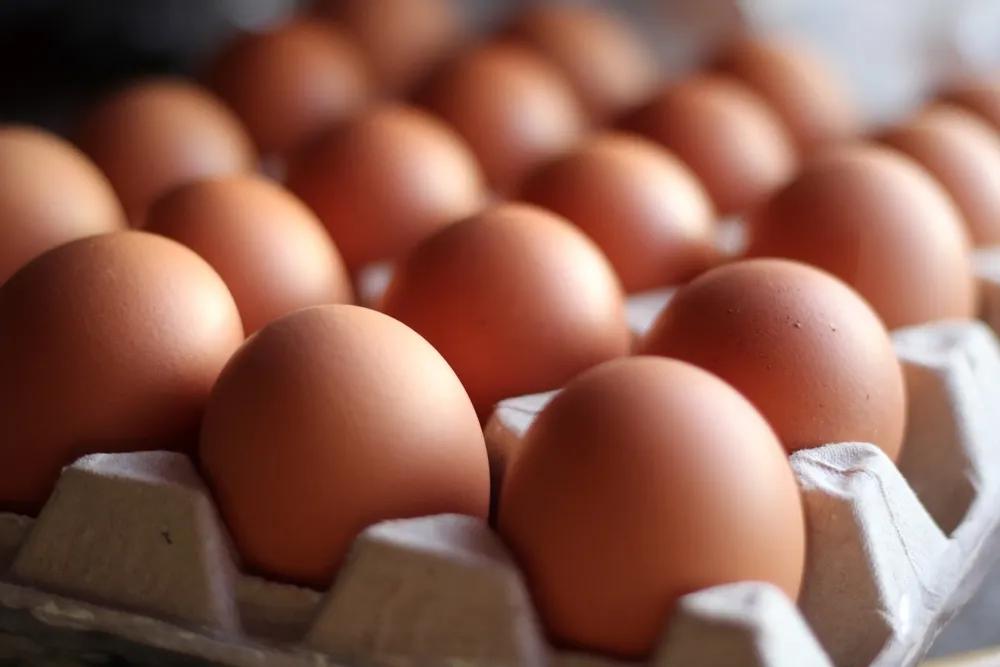


The U.S. Food and Drug Administration (FDA) has reportedly identified Salmonella contamination at the Black Sheep Egg Company’s processing facility, prompting a large-scale recall. This recall potentially affects more than six million eggs and has been classified as a Class I recall, the FDA’s most serious category. Class I recalls indicate there is a reasonable probability that consuming the affected eggs could result in serious illness or even death.
Environmental samples reportedly tested positive for multiple strains of Salmonella, some of which are known to cause severe human illness. The recall includes 12-count and 18-count cartons of free-range Grade A large brown eggs with specific UPC codes and “best by” dates. Some eggs were also distributed under other brand names, making it important for consumers to carefully check labels.
Consumers are advised not to eat, sell, or serve the recalled eggs. They should either return them to the place of purchase or discard them safely.
Who Might Be Affected?
The recall primarily affects:
- Individuals who purchased Black Sheep Eggs directly from stores.
- Restaurants, bakeries, and food service providers that used these eggs in dishes.
- Consumers who purchased eggs repackaged under other brand names.
Salmonella infection can cause diarrhea, fever, stomach cramps, nausea, and vomiting, typically within hours or days after exposure. Vulnerable populations—including young children, older adults, pregnant individuals, and people with weakened immune systems—are typically at higher risk for severe illness.
Public health officials are reportedly monitoring the situation closely, and the FDA has advised taking extra caution when handling the recalled eggs.
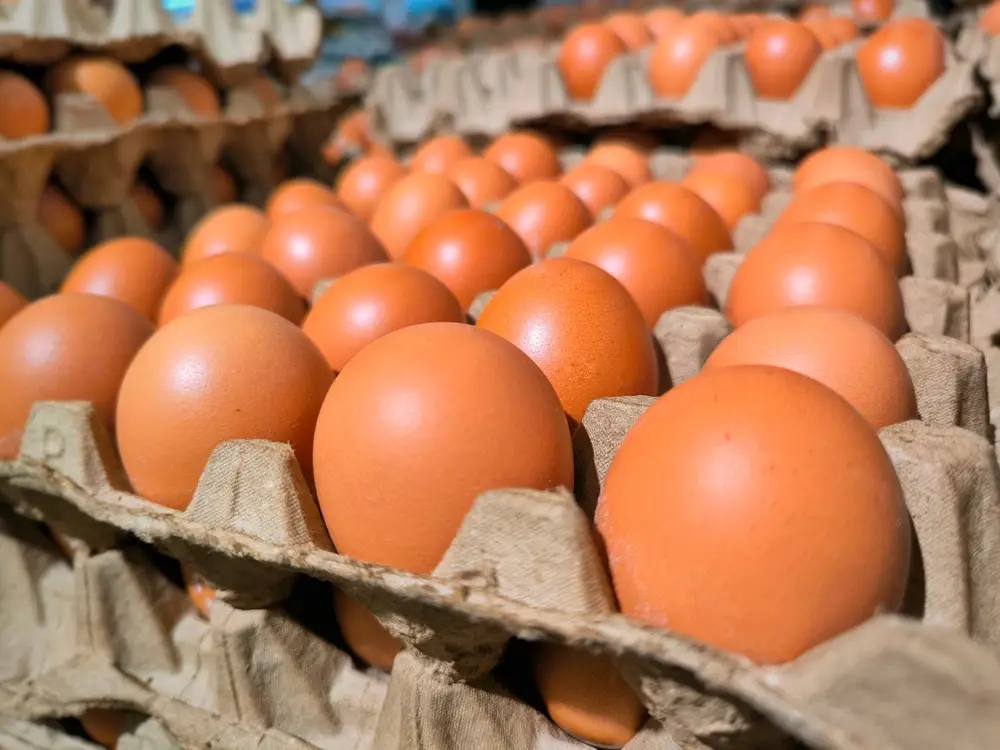
How to Identify Recalled Eggs
The recalled eggs include 12-count and 18-count cartons of free-range Grade A large brown eggs. Key identifiers include:
- Brand: Black Sheep Egg Company
- Product Type: Free-range large brown eggs, Grade A
- UPC Codes: Specific codes printed on cartons (check FDA website for details)
- Best By Dates: Specific dates listed by the FDA
Consumers who have these eggs are encouraged to discard them immediately or return them to the retailer. Any surfaces, containers, or utensils that came into contact with the eggs should be thoroughly cleaned and sanitized to prevent cross-contamination.
It’s also recommended that consumers check any frozen or processed foods that may contain eggs as an ingredient, especially if purchased from stores in areas where the recalled eggs were distributed. Some commercial bakeries or restaurants may have incorporated these eggs into prepared meals. Therefore, checking with vendors can help reduce the risk.
Broader Food Safety Implications
This recall serves as a reminder of the importance of food safety practices in both homes and commercial kitchens. Even with free-range or organic products, contamination can occur during processing or handling.
Experts stress that consumers should always wash their hands, utensils, and surfaces after handling raw eggs and cook eggs thoroughly before consuming them. Awareness of product recalls and timely action can prevent illness and limit potential outbreaks.
Legal Action: Egg Recall Class Action Lawsuit
Following the recall, reports indicate that a class action lawsuit has been filed against Black Sheep Egg Company. The lawsuit involves consumers and food service providers who may have been affected by the recalled eggs. Plaintiffs reportedly claim that the company did not adequately ensure the safety of its products, resulting in potential health risks for those exposed.
The legal case is still pending, and all allegations remain unproven in court. Consumers interested in joining the lawsuit should consult with legal counsel or visit official claim sites for more information.
Consumer and Expert Statements
Public health experts emphasize the seriousness of Salmonella contamination in eggs. Even small amounts of the bacteria can lead to illness, particularly in vulnerable populations. A spokesperson for the FDA reportedly urged anyone who experiences symptoms after consuming eggs to seek medical attention immediately.
Some affected consumers have shared stories of mild to severe gastrointestinal symptoms, highlighting the importance of vigilance and proper food handling. Experts recommend storing eggs at the proper temperature, cooking eggs thoroughly, and washing hands and surfaces after handling eggs to minimize the risk of infection.
Frequently Asked Questions (FAQ)
Check the brand, UPC code, and “best by” date on your carton. A full list of affected codes and dates is available on the FDA website. If you’re unsure, you can also contact the store where you purchased the eggs or reach out to the Black Sheep Egg Company directly for clarification. Keeping the carton or taking a photo can help verify whether your eggs are included in the recall.
Do not eat them. Return them to the retailer or dispose of them safely. Clean any surfaces or containers that came into contact with the eggs. Make sure to wash your hands thoroughly after handling eggs. If the eggs were used in any prepared dishes, it’s safest to discard those meals as well.
Young children, older adults, pregnant individuals, and people with weakened immune systems are at higher risk of severe illness. Individuals with chronic illnesses or compromised immunity should be especially cautious and avoid any potentially contaminated eggs.
Symptoms typically appear within hours to days after exposure and include diarrhea, fever, stomach cramps, nausea, and vomiting. In severe cases, Salmonella infection can lead to hospitalization, dehydration, or long-term complications.
Yes, a class action lawsuit has reportedly been filed. Details are still pending, and no allegations have been proven in court.


Add Comment