


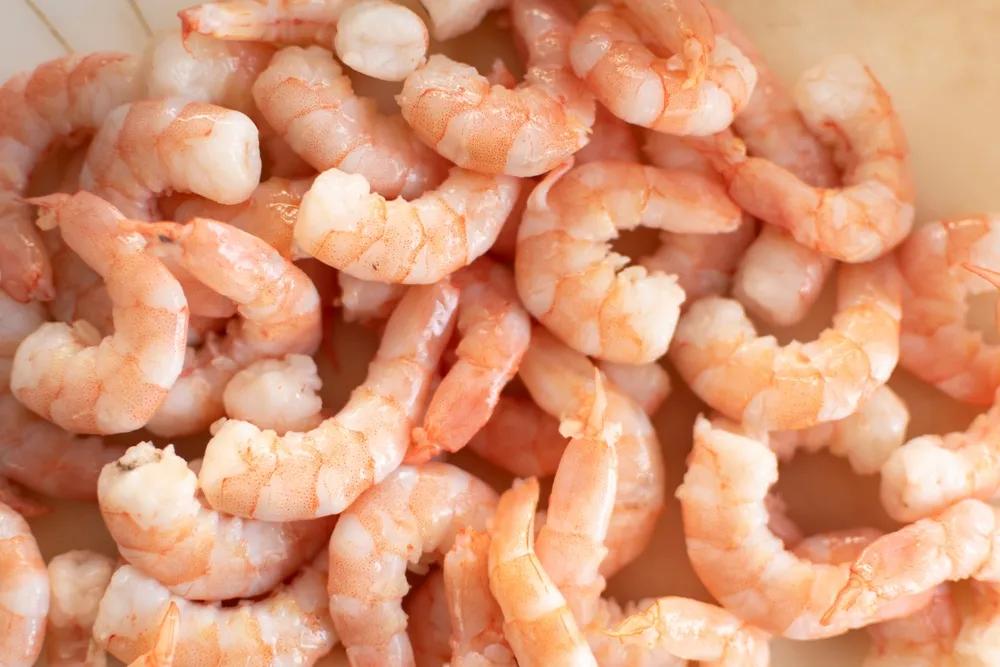


A newly filed class action lawsuit is drawing national attention after a consumer alleged that Walmart’s Great Value frozen shrimp may have been contaminated with Cesium-137, a radioactive isotope linked to long-term cancer risk. The lawsuit, spearheaded by plaintiff Derrick Young, argues that Walmart and its seafood suppliers misled consumers by failing to disclose the potential presence of radioactive material in the shrimp.
With food safety, transparency, and consumer rights at the center of this case, the lawsuit has quickly become a point of discussion among shoppers, health advocates, and legal experts alike.
What Is This Lawsuit About?
According to the proposed class action, Great Value frozen shrimp, sold widely in Walmart stores across the U.S., was allegedly contaminated with Cesium-137, a radioactive isotope that can enter the ocean environment through nuclear waste or fallout. Even low exposure levels, the Complaint claims, can pose long-term cancer risks as Cesium-137 damages DNA at a cellular level.
The lawsuit does not claim that Walmart intentionally sold radioactive shrimp. Instead, it argues that Walmart and its suppliers:
- Did not properly test the shrimp
- Did not properly warn consumers about potential contamination
- Improperly marketed the product as safe and failed to disclose the risks
The core argument: had consumers known of possible radioactive exposure, they would not have purchased the shrimp, making Walmart’s labeling and marketing misleading and deceptive.
Who Is Involved in the Lawsuit?
The lawsuit was filed by Derrick Young, a consumer who says he purchased Great Value frozen shrimp for personal use. Young is seeking to represent both a nationwide class of shoppers across the United States and a subclass of California residents under the state’s consumer-protection laws. He argues that he and millions of other consumers were misled into buying shrimp that may have been contaminated with radioactive Cesium-137 without proper warning or disclosure.
Young is suing three defendants:
- Walmart Inc. – The retailer responsible for selling the shrimp under its Great Value brand. The lawsuit claims Walmart marketed and labeled the product as safe despite alleged contamination risks.
- Southwind Foods LLC – A key supplier that sources and distributes shrimp sold under Great Value.
- Beaver Street Fisheries LLC – Another major seafood supplier involved in providing shrimp to Walmart.
Together, the defendants are accused of failing to properly test the shrimp, allegedly withholding critical safety information from consumers and misbranding the product in violation of multiple state and federal laws.
Beyond naming who is responsible, the lawsuit also outlines what the plaintiff is seeking on behalf of the proposed class. Young requests:
- A jury trial
- Declaratory relief, formally acknowledging that the product was misbranded or misleading
- Injunctive relief, requiring Walmart and its suppliers to change labeling, testing, and safety practices
- Compensatory damages for consumers who purchased the shrimp
- Statutory and punitive damages under California consumer-protection laws
- Restitution, returning profits allegedly gained through misleading practices
If the court certifies the class and the plaintiff prevails, eligible consumers across the U.S. may receive compensation or other remedies related to their purchase of Great Value frozen shrimp.
What Is Cesium-137 and Why Is It a Concern?
To understand the gravity of the lawsuit, it’s important to look closely at the substance at its center: Cesium-137.
What is it?
Cesium-137 is a radioactive isotope created during nuclear fission, most commonly found in nuclear reactors, medical waste, and fallout from nuclear accidents.
Why is it dangerous?
The Centers for Disease Control and Prevention warns that Cesium-137 exposure can:
- Increase long-term cancer risk
- Accumulate in soft tissues
- Damage DNA
- Contaminate food produced in affected waters
The lawsuit alleges that the shrimp harvested and sold under Walmart’s Great Value brand carried levels of Cesium-137 that should have been disclosed to consumers under food safety laws.
What Laws Did Walmart and Its Suppliers Allegedly Violate?
The complaint outlines a wide range of legal violations, including:
California Consumer Laws
- False Advertising Law (FAL)
- Consumers Legal Remedies Act (CLRA)
- Unfair Competition Law (UCL)
These laws collectively prohibit misleading labeling, deceptive advertising, and failing to inform consumers about known risks.
Warranty and Common Law Claims
- Breach of implied warranty (product not fit for safe consumption)
- Negligent omission
- Unjust enrichment
Young argues that Walmart and its suppliers benefited financially from a product that was not properly represented.
How Did This Alleged Contamination Happen?
The lawsuit suggests that contamination may have occurred due to shrimp being sourced from regions where marine waters were affected by radioactive waste or nuclear runoff.
This raises broader concerns about whether seafood imports are being tested thoroughly before entering U.S. markets.
As of now, Walmart has not issued a public statement regarding the allegations, and no recalls have been announced for Great Value frozen shrimp linked to Cesium-137 contamination.
Legal experts note that companies often refrain from making public comments until litigation progresses.
Why This Case Matters for Consumers
For millions of consumers, this lawsuit raises critical questions about:
- Food safety
- Retailer responsibility
- Supply chain transparency
- Consumer trust
The idea that a basic grocery-store staple could carry undisclosed radioactive contamination is understandably alarming. Whether or not the allegations are proven in court, the case highlights gaps in consumer awareness and the opaque nature of global seafood sourcing.
Frequently Asked Questions (FAQ)
The lawsuit alleges contamination, but Walmart and federal agencies have not released independent testing results.
No recall has been announced as of now.
If certified, consumers who purchased Great Value frozen shrimp may be eligible. Details typically become available once the court certifies the class.
Long-term cancer risk is the primary concern due to DNA damage from radioactive exposure.
This is a personal choice. Some consumers may choose to avoid the product until more information becomes available.


Add Comment