


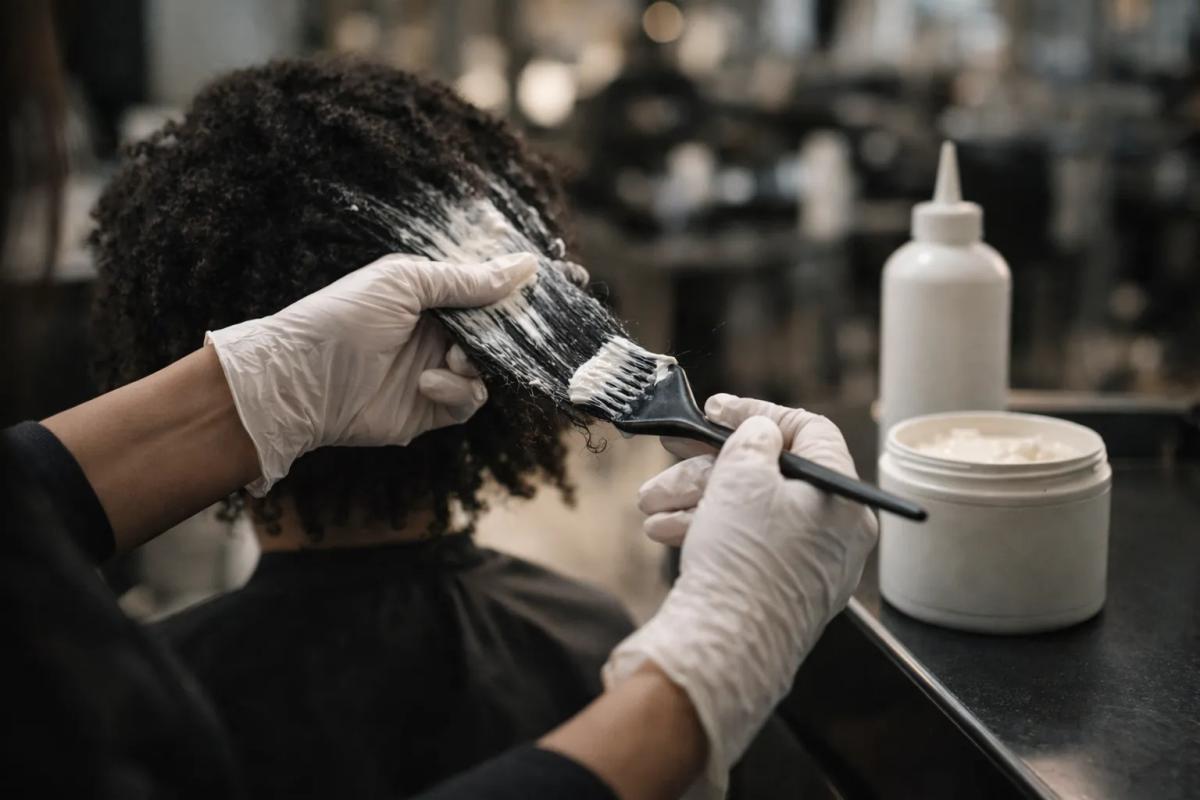


Questions about whether hair relaxers can cause cancer have grown in recent years following scientific studies examining potential links between chemical hair relaxer use and certain hormone-related cancers. While research continues, lawsuits now allege that some manufacturers failed to warn consumers about possible risks associated with long-term exposure to certain chemical ingredients.
Understanding what the science shows and how it intersects with ongoing litigation is key.
What Does the Research Say About Hair Relaxers and Cancer?
Several studies have explored whether chemical hair relaxers may increase cancer risk, particularly hormone-related cancers such as uterine and ovarian cancer.
Some research has suggested that women who frequently used chemical hair relaxers over long periods may face a higher incidence of certain reproductive cancers compared to non-users. Researchers have typically focused on the potential role of endocrine-disrupting chemicals, which may interfere with hormonal systems.
Importantly, scientific studies identify correlations. They do not automatically establish direct causation. That distinction matters in both medical research and courtroom proceedings.
Why Are Hair Relaxers Being Linked to Hormone-Related Cancers?
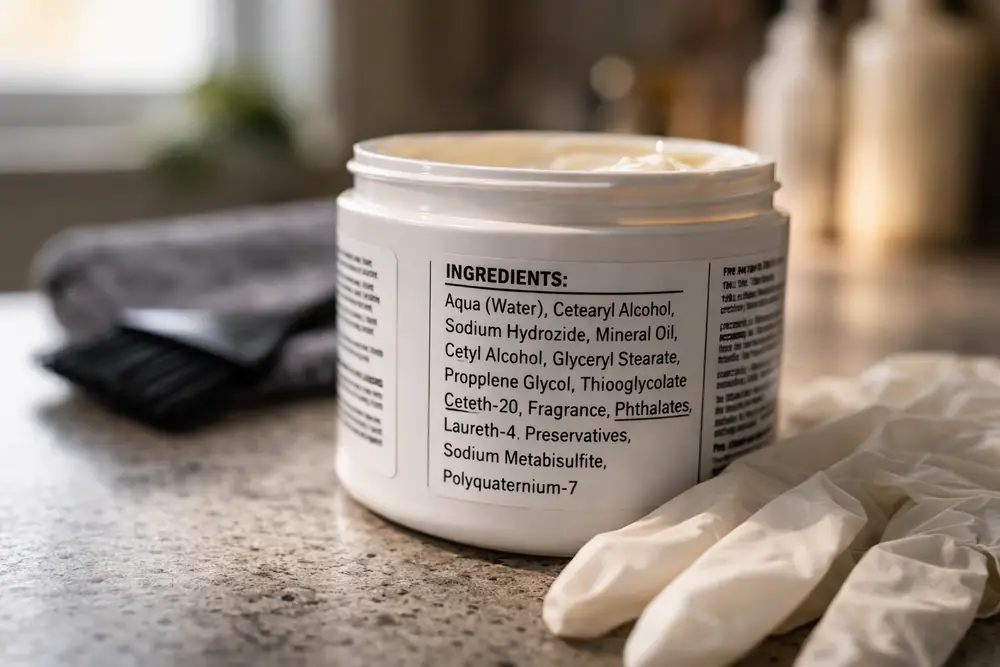
Many chemical hair relaxer products have historically contained ingredients such as:
- Phthalates
- Formaldehyde-releasing preservatives
- Other endocrine-disrupting compounds
Endocrine disruptors are substances that can interfere with the body’s hormonal signaling. Because uterine and ovarian cancers are influenced by hormonal factors, researchers have examined whether repeated exposure to certain relaxer ingredients could play a role.
Some lawsuits allege that long-term use increased hair relaxer cancer risk and that companies failed to provide adequate warnings.
Does This Mean Hair Relaxers Definitively Cause Cancer?
No court has issued a ruling declaring that hair relaxers definitively cause cancer.
Instead, ongoing litigation focuses on whether:
- Manufacturers knew or should have known about potential risks
- Adequate warnings were provided
- Scientific data was appropriately evaluated
This question sits at the center of the federal hair relaxer multidistrict litigation (MDL), where thousands of plaintiffs have filed product liability claims.
If you want a breakdown of how those cases are structured, see key facts about the hair relaxer lawsuit.
What Cancers Are Most Commonly Alleged in Hair Relaxer Lawsuits?
The majority of claims have focused on:
- Uterine cancer
- Ovarian cancer
- Other reproductive system cancers
Plaintiffs typically allege long-term use of chemical hair relaxers prior to diagnosis.
It is important to note that every case is fact-specific. Diagnosis alone does not automatically determine legal eligibility.
How Long-Term Exposure Is Being Examined in Court
In the hair relaxer MDL, both plaintiffs and defendants are analyzing:
- Frequency of product use
- Duration of exposure
- Product formulation history
- Marketing representations
- Labeling disclosures
These factors may influence how individual claims are evaluated.
The litigation process is ongoing, and early bellwether trials are expected to shape the direction of future proceedings.
Who May Be Eligible to File a Hair Relaxer Lawsuit?
Eligibility typically depends on factors such as:
- Documented history of chemical hair relaxer use
- A qualifying cancer diagnosis
- Timing of diagnosis relative to use
- Jurisdictional considerations
For a more detailed breakdown of potential criteria, review hair relaxer lawsuit eligibility guidelines.
Bottom Line
The question “can hair relaxers cause cancer” is still being debated in scientific and legal forums. Research has raised concerns about possible associations between certain chemical relaxer ingredients and hormone-related cancers. At the same time, manufacturers dispute those claims.
As federal litigation continues and discovery progresses, additional information may clarify how courts interpret the evolving scientific record.
For individuals seeking more information about current litigation criteria, reviewing eligibility guidelines may provide clarity on next steps.


Add Comment