





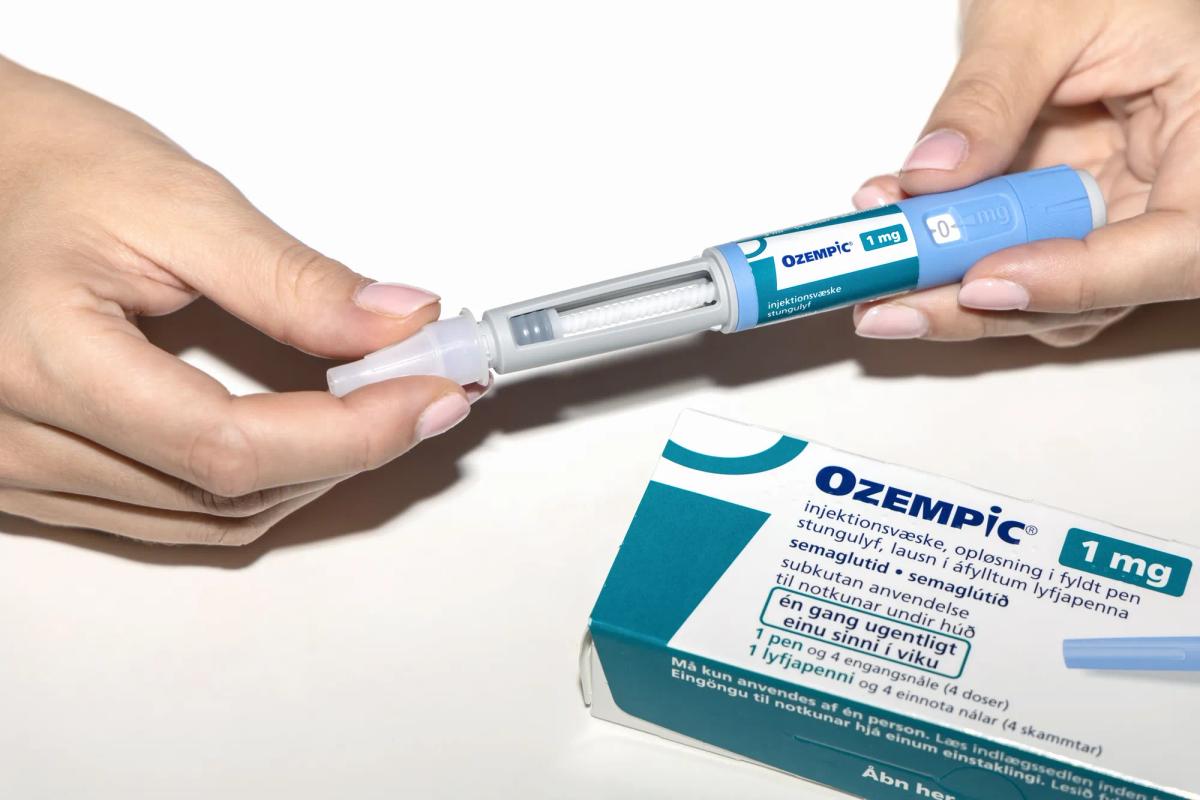
On November 1, 2024, the U.S. Food and Drug Administration (FDA) issued a new safety warning affecting some of the most widely prescribed weight loss and diabetes medications in the country, including Ozempic, Wegovy, Mounjaro, Saxenda, and Rybelsus.
The update adds a formal label warning about the risk of pulmonary aspiration during general anesthesia or deep sedation in patients taking GLP-1 receptor agonists, even when standard preoperative fasting guidelines are followed.
For millions of patients using these medications, the advisory introduces a new consideration ahead of surgery and underscores how much remains unknown about the drugs’ effects on digestion and anesthesia safety.
What the FDA’s New GLP-1 Advisory Says
The FDA now requires manufacturers of GLP-1 receptor agonists to include the following warning in prescribing information:
“There have been rare postmarketing reports of pulmonary aspiration in patients receiving GLP-1 receptor agonists undergoing elective surgeries or procedures requiring general anesthesia or deep sedation who had residual gastric contents despite reported adherence to preoperative fasting recommendations.”
In plain terms, the FDA is alerting both patients and clinicians that some people taking GLP-1 drugs have experienced aspiration during surgery, even after fasting properly.
This detail is significant because fasting before anesthesia is a cornerstone of surgical safety.
What Is Pulmonary Aspiration — and Why It’s Dangerous
Pulmonary aspiration occurs when food, liquid, or stomach contents enter the lungs instead of the digestive tract.
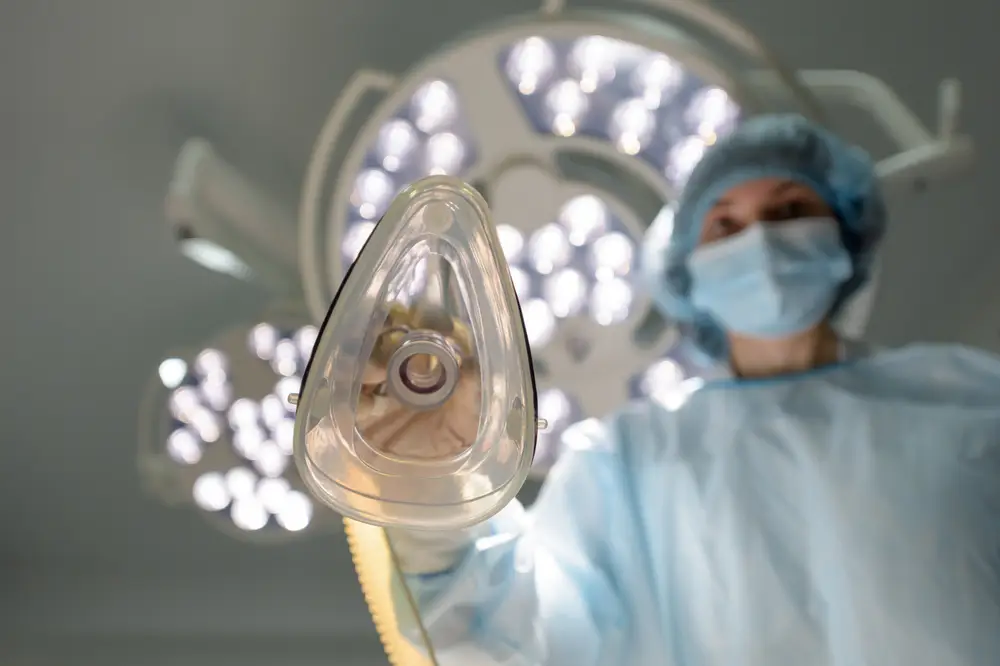
During anesthesia, normal protective airway reflexes such as gagging or coughing are suppressed. If stomach contents remain present, they can be inhaled into the lungs, potentially causing:
- Aspiration pneumonia
- Acute respiratory distress syndrome (ARDS)
- Chemical pneumonitis
- Severe infection or respiratory failure
Although aspiration events are considered rare, they can be life-threatening, especially in older adults or patients with underlying lung or gastrointestinal conditions.
Why the FDA Added This Warning Now
The FDA’s decision follows a review of postmarketing adverse event reports submitted by healthcare professionals through its safety monitoring systems.
Several factors likely contributed to the timing of the warning:
- Explosive growth in GLP-1 use, particularly for weight loss
- Increased recognition of GLP-1–related gastroparesis and delayed gastric emptying
- A larger patient population undergoing elective procedures while on these medications
- Long-term surveillance revealing safety patterns not seen in early clinical trials
Importantly, the FDA emphasized that aspiration occurred despite adherence to fasting protocols, raising questions about whether traditional surgical guidelines are sufficient for patients on GLP-1 drugs.
How Ozempic and Wegovy May Increase Aspiration Risk
We should first consider the effects of drugs like Ozempic or Wegovy on the digestive system to understand how they might provoke pulmonary aspiration during surgery.
Slowed gastric emptying
GLP-1 receptor agonists work in part by slowing gastric emptying - the process by which the stomach empties its contents into the small intestine.
Delays in stomach voiding are part of how GLP-1 medications promote feelings of fullness and reduce food intake.
A false sense of “empty stomach”
The voiding effect means that patients taking these drugs may have contents lingering in their stomach at the time of surgery, even when they adhere to preoperative fasting recommendations.
Anesthesia suppresses airway protection
Anesthesiologists suppress a person's gag reflex and other protective airway reflexes during general anesthesia or deep sedation.
Patients with residual food or liquid in their stomach may breathe that material into their lungs. Yet, the extent and mechanism of increased aspiration risk are not yet fully clear.
The FDA has stated that it needs more targeted research to quantify the degree of risk elevation and determine which patient subgroups are more susceptible.
Weighing the Benefits and Risks of GLP-1 Weight Loss Medications
This new FDA warning may understandably cause concern for people currently taking GLP-1 drugs like Ozempic, Wegovy, or Mounjaro.
However, you must remember that for many patients, the benefits of these medications for weight loss and blood sugar control outweigh the risks, according to the Agency.
Informed consent
The key to safety is to be fully informed and proactive in your care:
- Always inform your healthcare providers, including surgeons and anesthesiologists, about your medications.
- Discuss the potential risks and benefits of continuing or pausing GLP-1 drugs before a procedure.
- Follow your doctor's guidance on pre-surgery fasting and any medication adjustments.
Other considerations
Some patients may have additional risk factors, like gastroparesis or other digestive disorders, that compound the potential for aspiration.
In these cases, the risk-benefit calculation may shift.
Ultimately, doctors must individualize treatment decisions based on each patient's health status and goals.
Continuing treatment
While the FDA's warning provides valuable information, you should not interpret it as a blanket directive to stop GLP-1 medications.
Instead, use this safety communication as a starting point for a conversation with your healthcare provider about ongoing weight management and overall health.
How FDA Oversight Will Shape Weight Loss Drug Development
The FDA's recent GLP-1 drug warning highlights the delicate balance between rapid medical advancement and patient safety.
Doctors are now hoping the Agency will give them better guidance in improving weight loss medication safety to include:
- Better pre-surgery screening rules for patients taking GLP-1 medications.
- Improved label protocols and communication between healthcare providers.
- Stronger postmarketing surveillance of side effects.
- Development of updated safety guidelines.
Consequently, the future of weight loss medications remains promising.
The FDA's surveillance will help address emerging safety concerns and assist researchers in developing innovative treatments, including GIP/GLP-1 dual agonists and novel peptide combinations.
Wrapping Up What the FDA's Warning Means for Weight Loss Drug Safety
The FDA's new pulmonary aspiration warning for GLP-1 drugs marks a significant safety development for one of the fastest-growing categories of weight loss medications.
Understanding and mitigating this rare but potentially severe complication will require coordinated efforts from patients, providers, and regulators.
While caution is warranted, so too is a balanced perspective on the overall risk-benefit profile of GLP-1 agonists.
Instead of seeing this red flag as a significant setback in obesity treatment, we should let it give us a better understanding of how to use these powerful medications moving forward.


Add Comment