


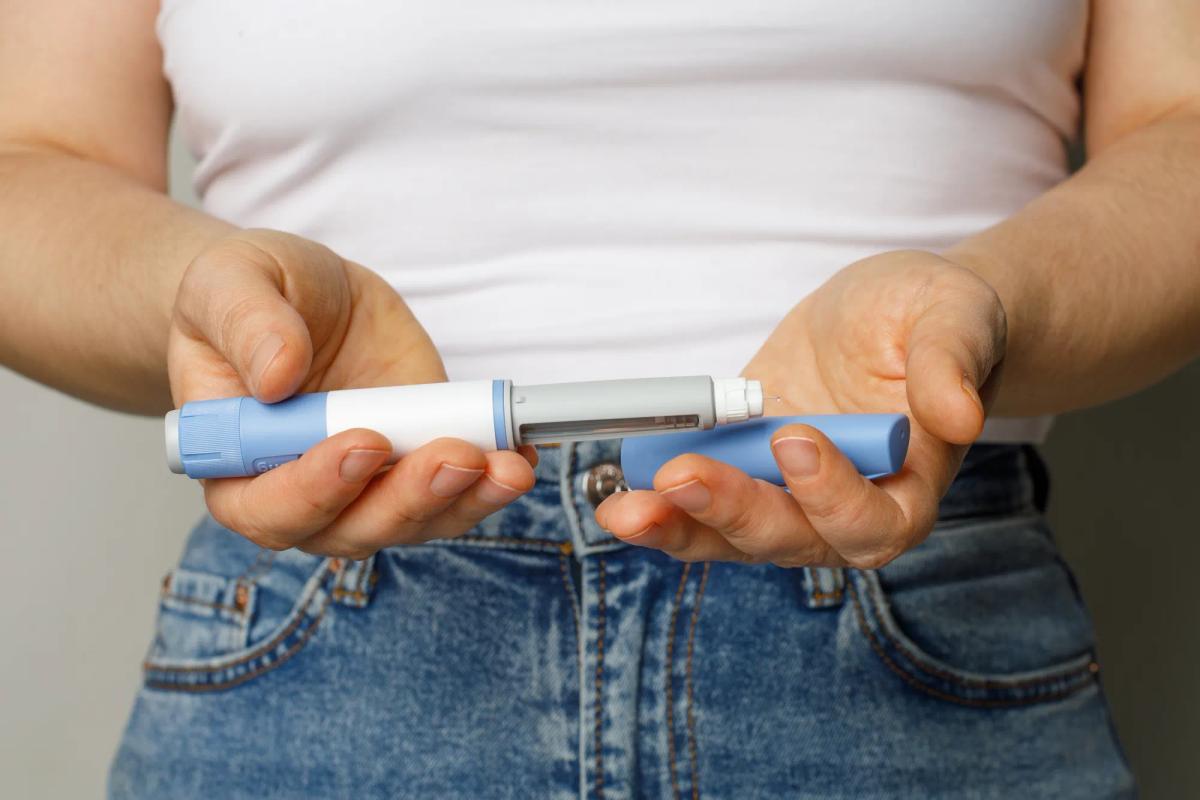


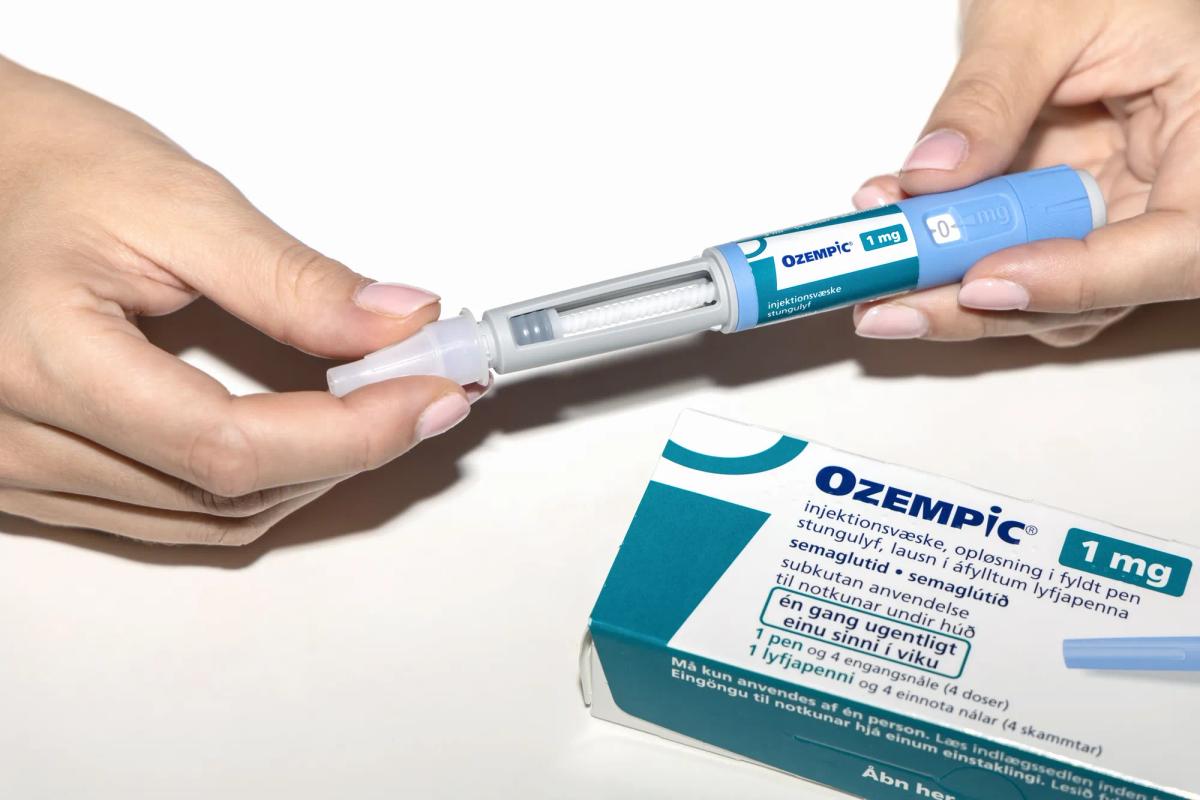
Weight loss medications like Ozempic and Wegovy have reshaped the conversation around obesity, diabetes management, and metabolic health. But as their use accelerates, particularly among non-diabetic patients seeking rapid weight loss, new research is beginning to surface an uncomfortable reality.
A recently published clinical study suggests that these drugs may carry unintended consequences for bone health, especially when used without structured exercise. The findings add to a growing list of concerns surrounding GLP-1 receptor agonists and raise critical questions about long-term safety.
What the Study Examined — And Why It Matters
In June 2024, researchers published a randomized clinical trial in JAMA Network Open examining how different weight-loss strategies affect bone mineral density (BMD).
The study followed 195 adults with obesity over the course of one year. Participants were divided into four groups:
- Exercise only
- GLP-1 medication only (liraglutide)
- Combination of exercise + medication
- Placebo
Liraglutide, the drug used in the trial, belongs to the same GLP-1 class as Ozempic and Wegovy, making the findings highly relevant to current prescribing trends.
Researchers measured bone mineral density at the hip, lumbar spine, and forearm using DXA imaging, a gold-standard diagnostic tool.
The Key Findings: Bone Density Loss Without Exercise

The results revealed a striking pattern.
Participants who used GLP-1 medication without exercise experienced significantly greater bone density loss, even when their weight loss was comparable to other groups.
By contrast, those who combined structured exercise with GLP-1 therapy preserved bone density while still achieving meaningful weight reduction.
In practical terms, the study suggests that rapid weight loss driven by medication alone may accelerate bone deterioration, particularly in weight-bearing areas like the hip and spine.
Why Bone Density Loss Is a Serious Health Issue
Bone mineral density is a critical indicator of skeletal strength. When BMD declines, patients face increased risk of:
- Osteopenia
- Osteoporosis
- Fragility fractures
- Loss of mobility and independence
Hip fractures are particularly dangerous. Medical research shows that over 20% of elderly patients die within one year of sustaining a hip fracture, often due to complications such as infection, blood clots, or reduced mobility.
Unlike many drug side effects, bone loss is often irreversible.
How GLP-1 Drugs May Contribute to Bone Loss
While researchers continue to investigate the exact mechanisms, several contributing factors are being explored:
- Rapid weight reduction, which reduces mechanical load on bones
- Suppressed appetite, leading to inadequate intake of calcium and vitamin D
- Hormonal changes that affect bone remodeling
- Reduced muscle mass, which normally protects skeletal structure
Taken together, these factors may create a perfect storm for long-term skeletal weakening, especially in patients who lose weight quickly without resistance or weight-bearing exercise.
What This Means for Patients Using Ozempic or Wegovy
The study does not suggest that weight loss drugs are inherently unsafe. Instead, it underscores an important caveat: how weight loss is achieved matters just as much as how much weight is lost.
Patients using GLP-1 drugs without medical supervision, nutritional monitoring, or exercise guidance may face elevated risks, particularly older adults and postmenopausal women already vulnerable to bone loss.
Bone Health and the Expanding Weight Loss Drug Litigation
The bone density findings arrive amid expanding legal scrutiny of GLP-1 medications.
Thousands of lawsuits have already been filed alleging serious complications such as:
- Gastroparesis and intestinal paralysis
- Gallbladder disease
- Pancreatitis
- Vision impairment
- Blood clots
Bone health concerns now add another dimension to the broader debate about whether pharmaceutical companies adequately warned patients about long-term risks.
As litigation continues to evolve, studies like this one may influence future claims, regulatory decisions, and prescribing guidelines.
What Patients Should Consider Moving Forward
Medical experts increasingly emphasize that weight loss, particularly when medication-driven, should be approached holistically.
Patients considering or currently using GLP-1 drugs should discuss:
- Bone density screening
- Resistance and weight-bearing exercise
- Nutritional supplementation
- Long-term risk assessment
As research continues, transparency and informed decision-making will be essential.
Final Takeaway
The rapid rise of Ozempic, Wegovy, and similar drugs has reshaped modern weight-loss medicine. But this latest study serves as a reminder that breakthrough treatments can carry hidden costs.
Bone health may now be part of that conversation.
As science catches up with real-world use, patients, doctors, and policymakers alike face a pressing challenge: ensuring that the pursuit of weight loss does not come at the expense of long-term health.
If you or a loved one experienced serious health complications after using Ozempic, you may have legal options.
OnlyClassActions helps individuals understand whether they qualify for ongoing litigation and connects them with attorneys handling Ozempic cases. There’s no obligation to move forward, just an opportunity to understand your rights and options.


Add Comment