




Asbestos has been at the center of some of the largest mass tort and class action lawsuits in U.S. history. For decades, this once “miracle” mineral was used in buildings, ships, factories, and consumer products, long after companies knew it could cause deadly diseases.
Today, thousands of people are pursuing asbestos lawsuits to hold those companies accountable and to seek compensation for cancers and lung diseases linked to past exposure.
This article explains what asbestos is, why it’s so dangerous, who’s at risk, and how asbestos class action and exposure lawsuits work.
What Is Asbestos?
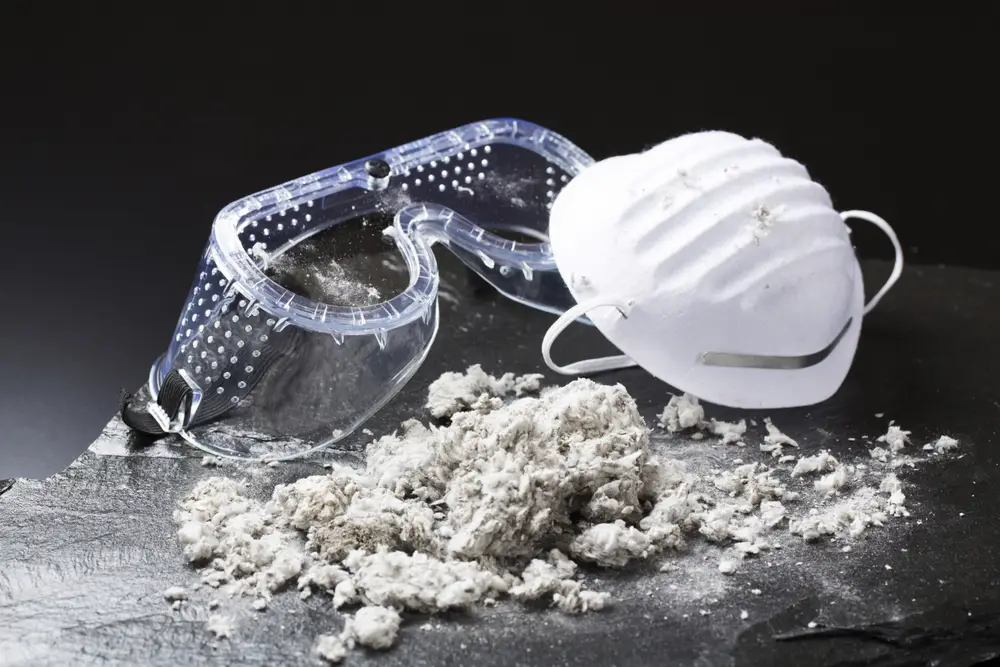
Asbestos is a naturally occurring mineral that was once commonly used in construction, shipbuilding, automotive industries, and more. The mineral has impressive heat resistance and is remarkably durable. It's been used in the manufacture of insulation, roofing, flooring, and even brake pads.
Unfortunately, despite its so-called ‘perks, ’ asbestos is incredibly dangerous when its tiny fibers are inhaled by humans. Over time, the asbestos fibers can become lodged in the lungs, causing severe health conditions, including cancer. Workers in construction, shipyards, power plants, mills, and factories often handled asbestos directly, usually without proper protection or warnings.
Why Is Asbestos Dangerous?
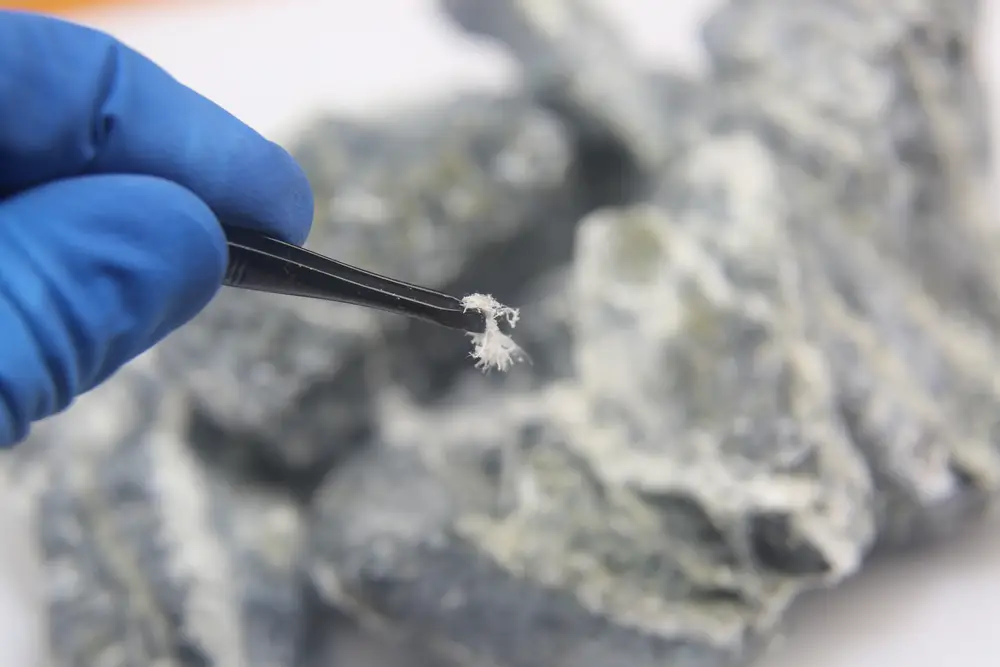
Asbestos becomes dangerous when its microscopic fibers are released into the air and inhaled or swallowed. Once inside the body, these sharp fibers can embed in the lungs and other tissues, causing long-term inflammation and scarring that may take decades to show up as disease.
Mesothelioma
A rare, aggressive cancer that affects the lining of the lungs, abdomen, heart, or testicles. Mesothelioma is overwhelmingly linked to asbestos exposure and often appears decades after the first exposure.
Asbestosis
A chronic, progressive lung disease caused by scarring of lung tissue from asbestos fibers. Asbestosis can lead to shortness of breath, chronic cough, reduced lung function, and increased risk of other lung diseases.
Lung Cancer and Other Cancers
Long-term asbestos exposure significantly increases the risk of lung cancer, especially for smokers. Asbestos has also been linked to cancers of the larynx, ovaries, and certain gastrointestinal cancers.
Because these illnesses can take 10–40+ years to develop, many people do not realize their current diagnosis is tied to past asbestos exposure often from jobs they held decades ago.
Studies have shown that many health problems are caused by or made worse by asbestos exposure. Unfortunately, some people and medical professionals miss the link between the health condition and asbestos because it often takes years or even decades to develop after exposure.
How Does Asbestos Exposure Happen?
Most people who develop asbestos-related diseases were exposed through work or environmental contact without knowing the risks. Common sources of exposure include:
Occupational Exposure
Workers in the following industries faced some of the highest asbestos exposure risks:
- Asbestos mining and manufacturing
- Construction and demolition
- Shipyards and shipbuilding
- Power plants and refineries
- Steel mills and foundries
- Automotive repair (particularly brake and clutch work)
- Paper and textile mills
- Railroad and industrial maintenance
Even limited exposure over a period of years can be enough to cause serious disease later in life.
Secondary / Household Exposure
Family members of workers were often exposed when asbestos fibers were brought home on clothing, hair, and tools. For example:
- Spouses washing dusty work clothes
- Children hugging parents as they came home from work
- Family members living in small homes where work clothes were stored or shaken out
Many asbestos lawsuits have been brought by spouses or children who never worked directly with asbestos but inhaled fibers inside the home.
Environmental Exposure
Asbestos exposure can also occur from:
- Living near mines, mills, or factories that processed asbestos
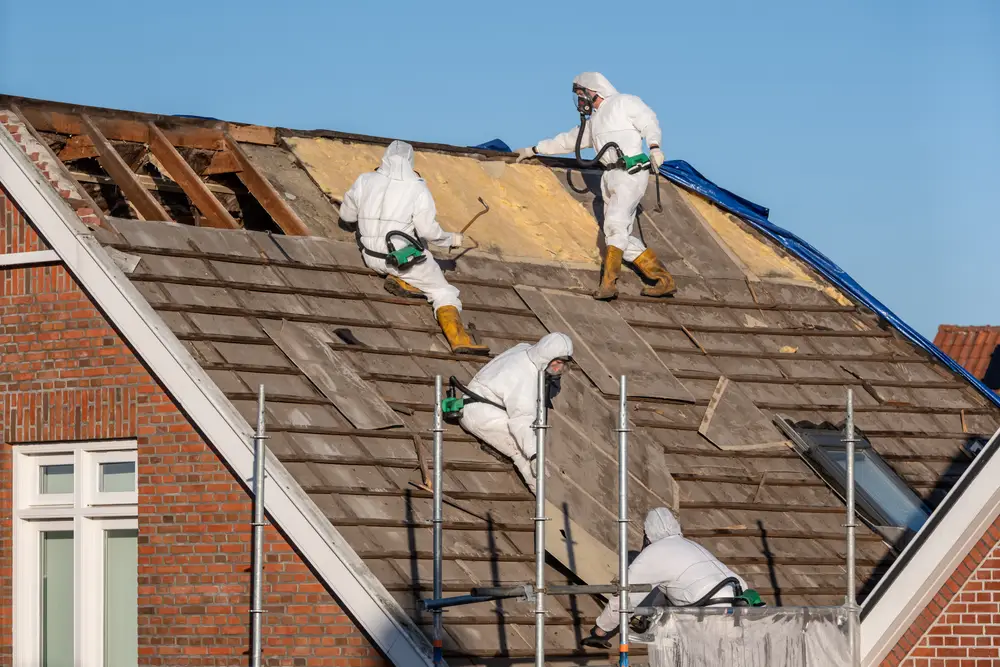
- Living in older homes or buildings where asbestos-containing materials were disturbed during renovations or damage
- Drinking water contaminated by deteriorating asbestos pipes or materials
The Rise of Asbestos Lawsuits & Class Actions
As people began to realize the dangers of asbestos, lawsuits started piling up nationwide as people sought monetary assistance and justice. Today, asbestos class action lawsuits are one of the largest mass tort cases in history.
Asbestos lawsuits seek to hold companies accountable for using asbestos in their products or workplaces without properly protecting or informing workers and consumers.
It has been shown that many companies knew about the dangers of asbestos long before they stopped using it. These lawsuits claim that companies failed to take proper action to protect people from exposure, even when they had evidence of the dangers.
Who Is Most at Risk from Asbestos Exposure?
Asbestos exposure has affected millions of people, especially those who worked in industries like construction, manufacturing, shipbuilding, the military, and automotive repair. But it’s not just workers who were at risk.
Family members of those workers could also be exposed to asbestos when fibers were brought home on clothing or equipment. A housewife who regularly washed her husband’s work clothing could have spent years inhaling the asbestos fibers while performing everyday household chores.
Even today, some older homes, schools, and public buildings still contain asbestos in their insulation, tiles, and other materials. Anyone who has been exposed to asbestos could potentially face health problems or even death down the line.
If you have a history of exposure and later developed mesothelioma, lung cancer, asbestosis, or another asbestos-related disease, you may have a potential asbestos exposure lawsuit.
What Compensation Can Asbestos Victims Receive?
While no result can be guaranteed, successful asbestos lawsuits may help recover compensation for:
- Medical bills (past and future)
- Lost wages and reduced earning capacity
- Pain and suffering
- Loss of quality of life
- Funeral and burial expenses (in wrongful death cases)
Because asbestos diseases are often serious and life-limiting, many settlements and verdicts can be significant. A qualified attorney can review your work history, exposure details, and medical records to estimate the potential value of your case.



Add Comment