


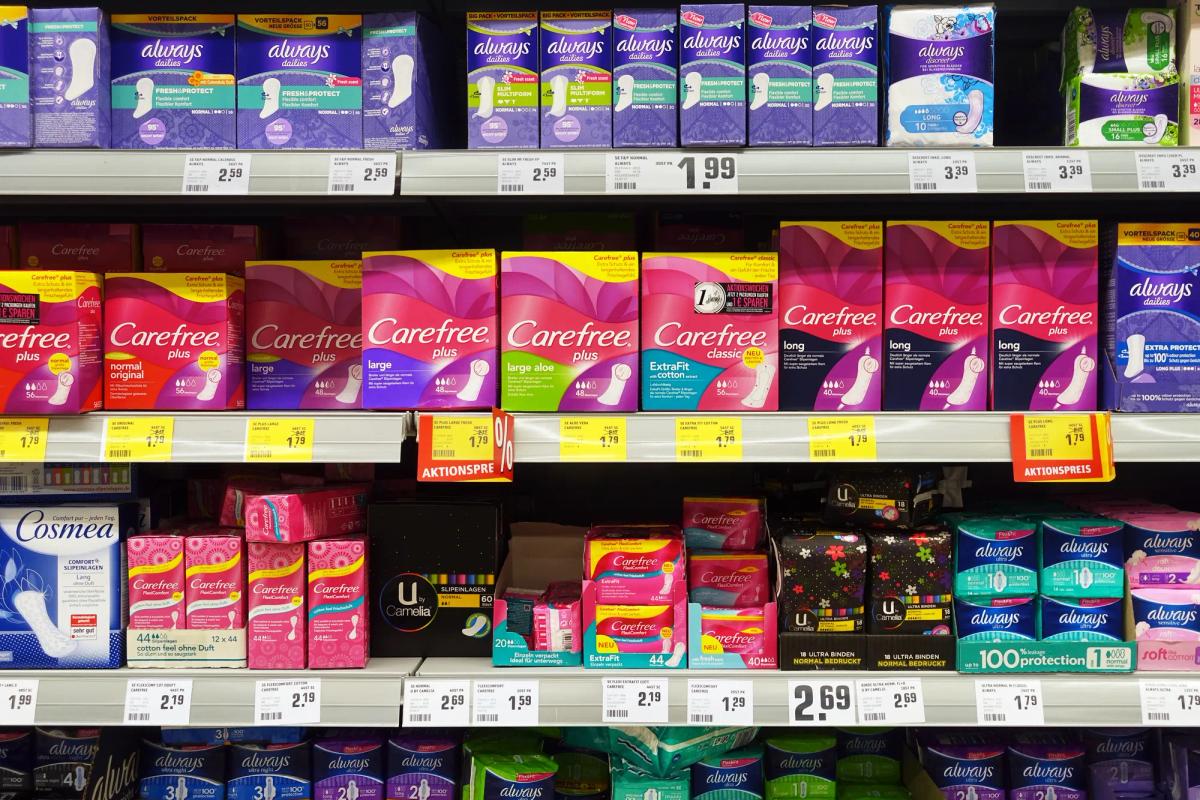


Edgewell Personal Care, the manufacturer of Carefree panty liners, is facing a lawsuit alleging that their products contain toxic chemicals such as perfluorooctanoic acid (PFOA). Known as ‘forever chemicals’ PFOAs are a type of per- and polyfluoroalkyl substance. The panty liners are also reputed to contain other heavy metals.
On September 30, Ecological Alliance, LLC filed a lawsuit against Edgewell Personal Care Brands LLC in a California superior court. They targeted Edgewell's Carefree brand of menstrual liners.
The lawsuit claims that these liners contain Perfluorooctanoic Acid (PFOA), which is a type of per- and polyfluoroalkyl substance (PFAS). PFOA is one of three PFAS chemicals listed under California's Proposition 65. Ecological Alliance alleges that Edgewell failed to warn consumers about the presence of these harmful chemicals in their products.
This legal action against Edgewell Personal Care raises genuine concerns about the safety of feminine hygiene products. It also points a finger at the possible health risks associated with their use.
Understanding the Pad Liner Lawsuit Allegations
The lawsuit filed indicates that Carefree panty liners contain detectable levels of PFAS chemicals such as PFOA.
PFAS do not break down easily in the environment or the human body. In fact, the accumulation of these substances in the human body has been linked to various health issues, such as cancer, hormonal disruptions, and immune system problems.
According to the lawsuit, Edgewell Personal Care failed to provide clear warnings to consumers about the presence of these chemicals in their products.
The failure to tell users of the products violated California's Proposition 65. This law requires companies to inform Californians about the potential for significant exposure to chemicals that cause cancer, birth defects, or other reproductive harm.
Health Risks Associated with PFAS
PFAS chemicals like PFOA have been linked to several health problems. Let’s take a look at the most common concerns:
Development of Cancer
Studies suggest that a relationship exists between PFAS exposure and increased risk of certain cancers, including kidney and testicular cancer.
Hormonal Disruption
According to the United States Environmental Protection Agency (EPA), PFAS can interfere with the body's endocrine system. They impact hormone levels and reproductive health.
Immune System Effects
The National Institutes of Health (NIH) shows that exposure may weaken the immune system, reducing the body's ability to fight infections. Over time, you’ll become more vulnerable to problems as your immune system falters.
Developmental Issues
Studies have shown that pregnant women exposed to PFAS might face risks that could affect fetal development while in vitro.
California's Proposition 65
Proposition 65, officially known as the Safe Drinking Water and Toxic Enforcement Act of 1986, mandates that all businesses must provide warnings about potential exposure to chemicals that cause cancer, birth defects, or other reproductive harm.
The Carefree pantliner lawsuit alleges that Edgewell Personal Care did not comply with this law regarding their Carefree panty liners. They did not warn users of the risks and dangers of using the pads.
Consumers who use or have used Carefree panty liners may have been unknowingly exposed to harmful chemicals. The manufacturer's lack of proper warning labels means they were not allowed to make informed decisions about the safety of the pantyliners to determine if they were willing to expose themselves to the possible health risks.
What Does The Lawsuit Mean for Feminine Hygiene Products?
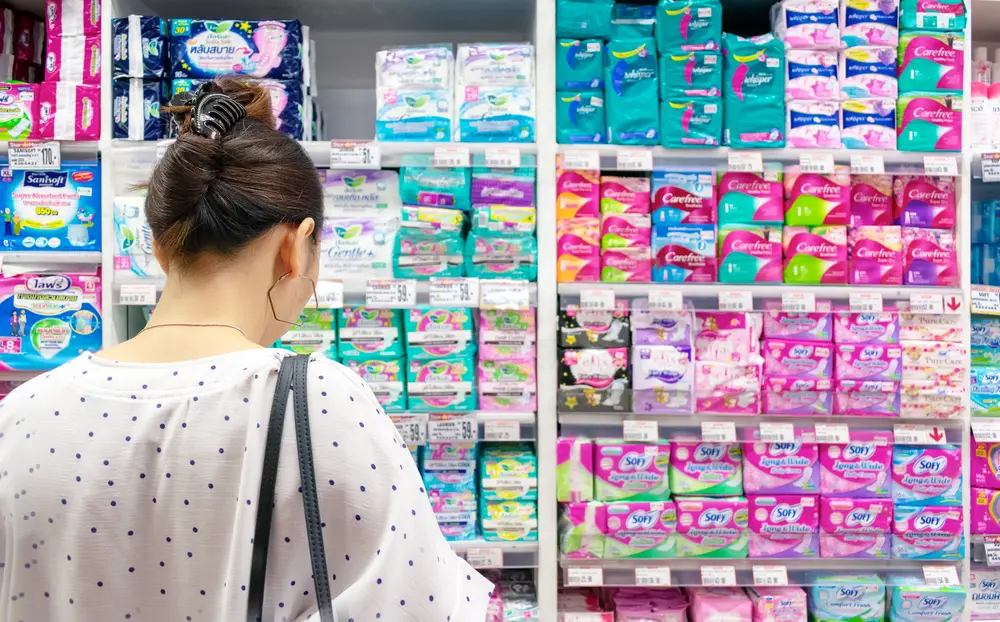
For years, many have been concerned about the safety of feminine hygiene products. However, this lawsuit highlights brings the risks to light and will, hopefully, help spur change.
Ideally, manufacturers should disclose all ingredients and potential contaminants found in their products.
Also, stricter oversight may be necessary to ensure products are free from harmful substances.
Without a doubt, all individuals should stay informed about the products they use and advocate for safer options.
Similar Cases and Precedents
Edgewell Personal Care is not the first company to face such allegations. Other manufacturers of feminine hygiene products have been scrutinized for containing potentially harmful chemicals without proper disclosure. However, this lawsuit could set a precedent for increased accountability in the industry.
What Can Affected Consumers Do?
Have you been impacted by the use of Carefree pad liners? If so, you are probably wondering what you can do.
- Keep up-to-date with news regarding the lawsuit and any official statements from Edgewell Personal Care.
- If concerned about exposure, discuss your fears and concerns with a medical professional.
- Use other feminine hygiene products that explicitly state they are free from PFAS and other harmful chemicals.
If you believe that you have been adversely affected by the use of Carefree panty liners, you should seek legal assistance to better understand your rights.
Edgewell Personal Care's Response
As of now, Edgewell Personal Care has not publicly admitted any wrongdoing related to these allegations. Since the lawsuit is still in its infancy, you should watch for official statements or product recalls that may emerge as the lawsuit progresses.
These allegations highlight serious health and safety concerns about feminine hygiene products. If it's proven that Carefree panty liners contain PFAS, PFOA, and heavy metals, it underscores how important complete transparency and strict regulation are in consumer goods. You should stay vigilant, keep yourself informed about the products you use, and advocate for better safety standards in the industry to make a difference.


Add Comment